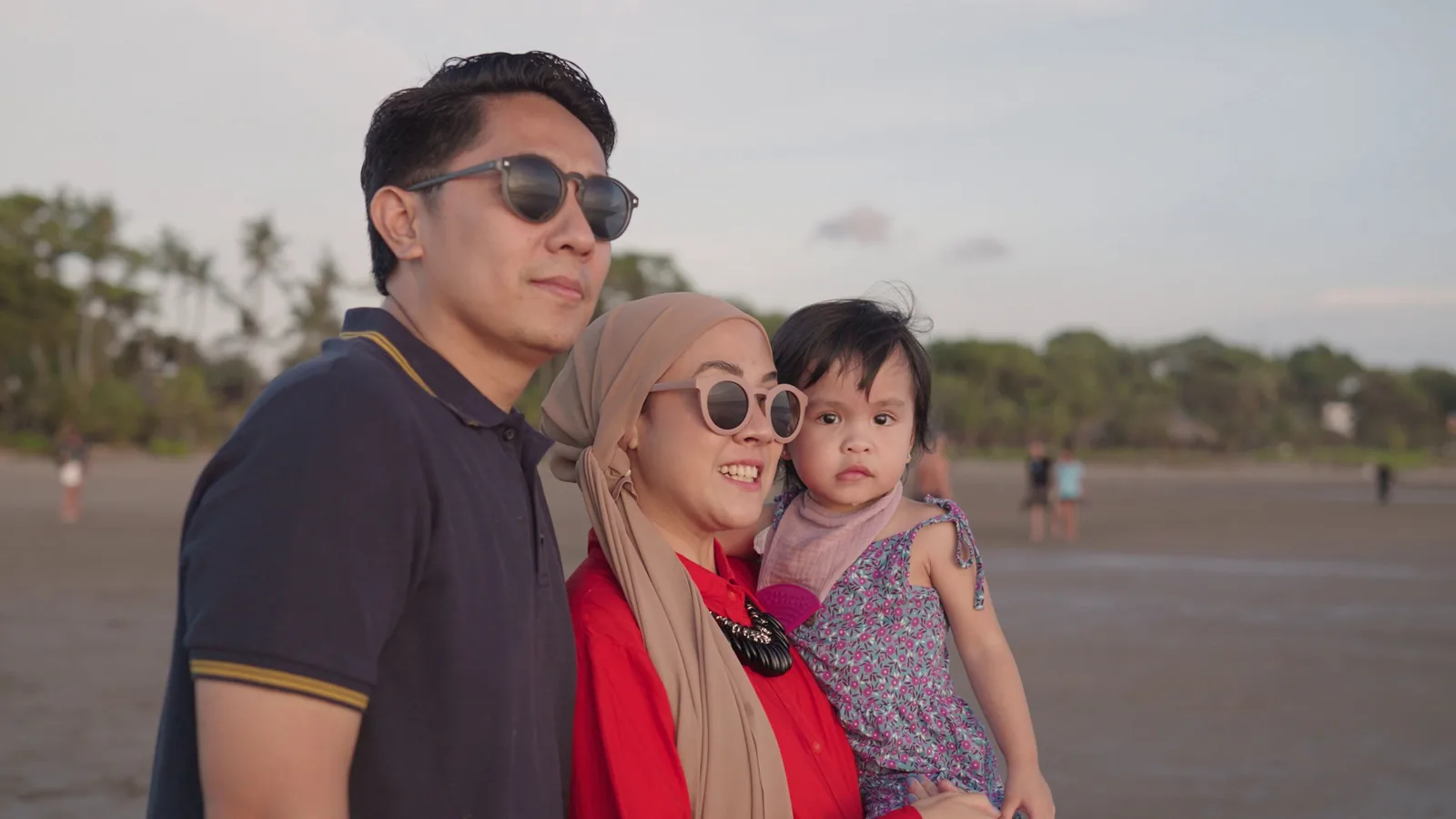
How To Plan A Family Holiday With Young Children
Planning a family holiday with young children requires careful consideration of their routines, comfort, and safety. This comprehensive guide provides a step-by-step approach to ensure a smooth and enjoyable trip for everyone. From choosing a child-friendly destination to managing daily schedules, you'll find practical advice to minimize stress and maximize fun. Whether it's a beach vacation or a city break, these strategies help you anticipate challenges and create lasting memories. The guide emphasizes flexibility, preparation, and maintaining a positive attitude, making it an essential resource for any family looking to travel with little ones. By following these actionable tips, you can turn a potentially daunting experience into a delightful adventure.
Fast Answer
- Start with a simple, direct flight or a short car ride to ease your children into the travel experience, then build up to longer journeys as they grow more accustomed to travel.
- Involve your children in the planning process by showing them pictures of the destination and discussing activities, so they feel excited and invested in the trip from the beginning.
Before You Start
- Check your children's passports and any necessary visas well in advance, as some countries require them to be valid for up to six months after your travel dates.
- Schedule a visit to your family doctor or pediatrician about a month before departure to ensure vaccinations are up to date and to get recommendations for common travel-related health issues.
- Book child-friendly accommodations that offer amenities like cribs, high chairs, or a kitchenette, and confirm these before you arrive to avoid any last-minute surprises.
- Create a realistic itinerary that includes planned rest times, meal breaks, and flexible slots for spontaneity, ensuring you don't overpack each day.
Step-by-Step Instructions
Choose a Child-Friendly Destination
Select a destination that offers activities suitable for young children and that does not require excessive travel time. Research the local climate, medical facilities, and safety standards to ensure the environment is appropriate for their age. Look for places with playgrounds, shallow water, or family-oriented attractions. Also, consider the availability of stroller-friendly paths, changing facilities, and restaurants with kids' menus. Before you commit, read recent reviews from other families who have visited with children of similar ages. A key check is to confirm that the accommodation has easy access to a doctor or pharmacy in case of minor illnesses. This matters because a convenient healthcare resource provides peace of mind and reduces the severity of health issues that might arise. By choosing a destination that aligns with your children's needs, you set the stage for a relaxed and enjoyable holiday.
Pack Smart and Light for Each Child
Create a packing list tailored to each child, including their favorite comfort item, enough diapers or underwear for the journey, and a change of clothes in your carry-on. Pack travel-sized toiletries, any necessary medications, and a first-aid kit with basics like plasters and antiseptic cream. Include a few small toys or new activities to keep them occupied during downtime. A practical check is to lay out everything you think you need, then remove at least one item that seems non-essential to avoid lugging too much weight. This matters because overpacking creates stress for you and makes moving between places cumbersome, which can strain your energy and patience. Remember, you can often buy forgotten items at your destination, but you cannot lighten an overloaded suitcase easily.
Plan the Travel Day Strategically
Whenever possible, schedule travel during your children's naptime or overnight to align with their natural sleep patterns. For flights, choose non-stop options if available, or select seats with extra legroom. For road trips, plan stops every two hours to let everyone stretch, use restrooms, and burn off energy. Arrive at the airport or station earlier than necessary to allow for unexpected delays. A practical check is to verify your route and transport times the day before, and prepare a backup plan in case of heavy traffic or missed connections. This check matters because a well-paced travel day reduces the chance of overtiredness and tantrums, making the journey more pleasant for everyone. By anticipating potential disruptions, you remain calm and flexible, which helps your children feel secure.
Maintain Routines as Much as Possible
Once you reach your destination, try to keep mealtimes, nap times, and bedtime consistent with your home schedule. If you are in a different time zone, gradually shift your child's routine by 15-30 minutes each day until they adjust. Stick to familiar rituals, such as reading a favorite book before bed or singing a lullaby. A practical check is to bring along a small nightlight or white noise machine to mimic the child's sleep environment. This matters because familiar cues signal to your child that they are safe, reducing anxiety and helping them settle faster. It is tempting to abandon all structure while on holiday, but maintaining a loose routine prevents overstimulation and cranky behavior. Your children will enjoy the trip more when they are well-rested and not overwhelmed.
Involve Children in Daily Decisions
Give your children simple choices during the holiday, such as selecting a park for the afternoon or choosing a meal at a restaurant. This empowers them and makes them feel valued. For example, you might say, 'Would you like to visit the zoo or the aquarium today?' or 'Should we have sandwiches or pasta for lunch?' A practical check is to present only two options to avoid overwhelming them. This matters because young children crave autonomy, and offering small choices reduces power struggles and increases cooperation. When they feel included, they are less likely to feel dragged along and more likely to enjoy the experience. Additionally, their enthusiasm can guide you to unexpected delights you might have otherwise missed.
Prepare for Emergencies and Safety
Before you travel, identify the emergency numbers in your destination and locate the nearest hospital or clinic to your accommodation. Pack a basic first-aid kit and teach your children what to do if they get lost, such as finding a staff member or staying put. On the trip, establish a meeting point in crowded areas and keep your children within sight. A practical check is to take a photo of each child on your phone each morning, capturing what they are wearing, which aids in identification if needed. This matters because a pre-planned response can significantly reduce panic and danger in an unexpected situation. Safety is paramount; being prepared allows you to respond calmly and ensures everyone knows what to do, making the trip safer and more enjoyable.
Quick Reference
| Situation | Action | Why it helps |
|---|---|---|
| Your toddler has a meltdown at a busy theme park. | Find a quiet corner or a 'quiet room' if available, hold your child and speak softly, and offer a sip of water and a small snack. After they calm, decide if they need rest or if a gentle walk might help. | Overstimulation is common for young children; a break in a low-stimulus setting helps reset their emotional state and prevents escalation. |
| The flight is delayed by three hours with two young kids. | Set up a mini play area at the gate using a towel, and rotate activities: coloring, simple games, and short walks. Keep a stash of new, low-mess toys reserved just for this type of delay. | Boredom and restlessness escalate quickly; providing engaged activities and movement helps expend energy and keeps morale up during an unforeseen wait. |
| Your child refuses to eat any food at the holiday destination restaurant. | Offer a backup snack like a banana or a bag of crackers from your bag, and ask the waiter for a plain dish like rice or bread without butter or salt. Then let the child decide if they want to try something new. | A hungry child gets grumpy and uncooperative; having familiar food minimizes the stress of unfamiliar cuisine while still allowing exposure to new tastes. |
Common Issues
- Children get overtired and start crying excessively in the evening.: Recognize early signs of tiredness, such as rubbing eyes or whining, and initiate a wind-down routine even if it means skipping an activity. Keep evenings low-key with quiet games and an early bedtime.
- Siblings argue and fight over toys or activities during the trip.: Plan a balance of separate and shared activities. Let each child choose an individual 'special' moment each day, and when conflicts arise, calmly separate them and offer a distraction or a change of scene.
- The weather changes unexpectedly, ruining outdoor plans.: Have a list of indoor alternatives such as a museum, indoor play center, or a movie. Pack a few small toys and craft supplies that can be used in a hotel room on a rainy day.
Advanced Tips
- Consider booking accommodation with a kitchen or at least a microwave and fridge, as having access to familiar foods can be a lifesaver for picky eaters and for preparing meals at odd times.
- Learn a few basic phrases in the local language with your children before you go, like 'hello,' 'please,' and 'thank you,' which can open doors and create a positive impression.
- Build in a 'rest day' for every two full activity days, where you do nothing planned but maybe visit a local park or just stay by the pool, which helps prevent burnout for the whole family.
Final Checklist
- Confirm that your children's documents (passports, IDs, any necessary visas) are valid and stored safely in a waterproof travel wallet.
- Pack a small first-aid kit including bandages, antiseptic cream, children's pain reliever, and any prescription medications, and keep it in your carry-on.
- Prepare a list of your children's favorite meals and snacks, and plan to have at least one familiar food available each day, either by packing it or identifying a store nearby.
- Set a reminder to take a 'daily family photo' each morning, capturing the day's start, which becomes a cherished memory and also helps with identification if needed.
FAQ
How can I help my baby sleep in a new environment?
Maintain a familiar bedtime routine, bring a portable blackout blind or a large towel to darken the room, use a travel cot that resembles their crib, and keep a consistent temperature. Consider using a white noise machine or app to mimic home sounds. A day or two before departure, gradually adjust their schedule to match the destination's time zone. Allowing extra time for settling and being patient during the first few nights can make the transition smoother.
What should I do if my child gets car sick during a road trip?
Plan for frequent stops every couple of hours, avoid heavy meals before traveling, and keep the car well-ventilated. Bring a bucket or bag just in case, and have saline wipes and a change of clothes available. Offer small, bland snacks like crackers to settle the stomach, and keep your child entertained with quiet games to prevent focusing on the motion. Speak with your pediatrician about motion sickness medication if the problem is frequent.
How do I handle a long-haul flight with a toddler?
Choose an overnight or naptime flight if possible. Feed your toddler just before boarding to promote sleepiness, and dress them in comfortable layers. Bring a few new toys or activity books and wrap them as a 'surprise.' Walk up and down the aisle when allowed, and use the in-flight entertainment only as a last resort. Turn on the seat-belt sign off? Actually, keep them safely secured. Your calm demeanor helps your child remain relaxed.