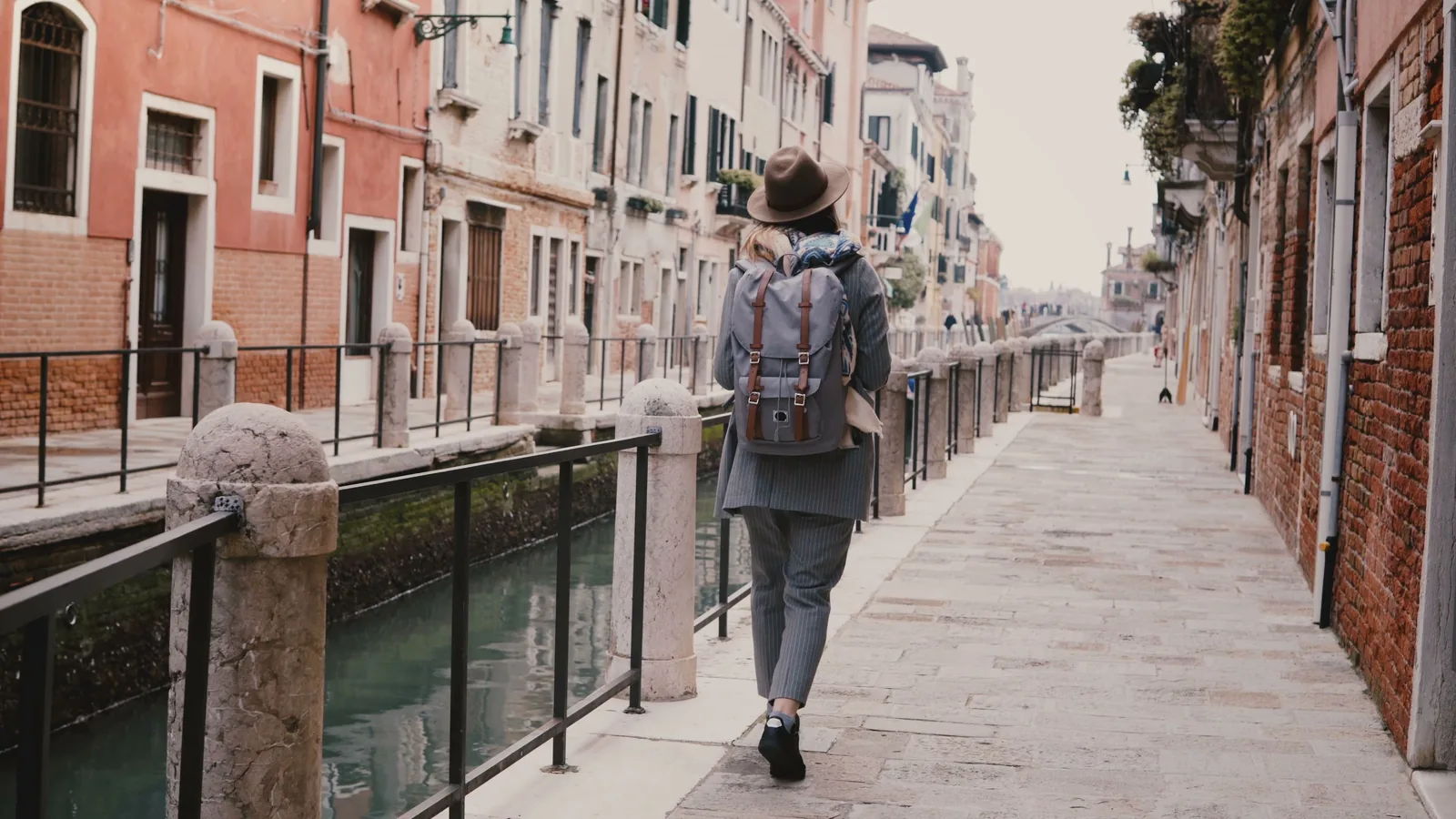
How To Plan A Family City Break
Planning a family city break involves balancing everyone's interests, energy levels, and practical needs. This guide walks you through choosing a destination, setting a flexible itinerary, packing smart, managing mealtimes, navigating the city, and keeping kids engaged. You'll also find quick-reference solutions for common hiccups, advanced tips for a smoother trip, and a final checklist to ensure you haven't missed anything. By the end, you'll have a workable, adaptable plan that turns a potentially stressful trip into a memorable family adventure.
Fast Answer
- Start by picking a city with plenty of child-friendly attractions and compact public transport, then book accommodation near a transit hub to cut travel time.
- Make a loose daily schedule with one anchor attraction and plenty of free time for snacks, rest, and spontaneous exploration.
Before You Start
- Involve your kids in choosing the destination by showing them a few options with pictures of parks, museums, and interesting landmarks.
- Check the local calendar for holidays, festivals, or major events that could affect crowds and opening hours.
- Book accommodation with a kitchenette or at least a fridge to handle snacks and easy breakfasts.
- Pack a small bag with wet wipes, a change of clothes, and a few quiet activities for each child.
Step-by-Step Instructions
Choose a city that fits your family's pace
Start by listing cities that spark interest for both adults and kids. Look for places with a zoo, science center, aquarium, or large public parks. Check how walkable the city center is and how easy it is to use public transit with a stroller or tired legs. Consider the weather during your travel dates, because extreme heat or cold can turn a pleasant walk into a battle. Read recent reviews from other families to get a sense of how welcoming the city is to children. Once you have three or four options, compare the flying or driving time, plus the hotel or rental location in relation to main attractions. Choose the city where you can get from your lodging to at least three major sights without long transfers. A good rule is to pick a place where you don't need to rent a car, because parking and car seats add hassle. Write down the top three attractions and check their official sites for any height or age restrictions, so you won't be disappointed later. This upfront research saves time and avoids meltdowns.
Book a base that minimizes daily travel
When you book accommodation, prioritize location over luxury. A well-placed apartment or hotel near a metro stop or bus line can shave hours off your sightseeing days. Look for a place with a separate sleeping area for kids, so you can keep some adult time in the evening. If possible, choose a building with a lift, because carrying a sleeping child up several flights of stairs is nobody's idea of a good time. Check that the room has a fridge, a microwave, and maybe a kettle for quick breakfasts and warm milk. Ask about laundry facilities or a nearby launderette, because kids spill and get dirty. Avoid areas that look quiet on a map but have no restaurants or grocery stores nearby. Read reviews from other families about noise levels, especially if you plan to nap during the day. A base with a small kitchen also lets you prepare simple meals or picnic lunches, saving money and reducing dining-related stress. Finally, confirm the cancellation policy in case someone gets sick, because flexibility matters with children.
Build a flexible daily itinerary with one anchor
For each day, choose one main attraction that you absolutely want to see, like a science museum or a historic castle. Plan to visit that when it opens to beat crowds and take advantage of your kids' freshest energy. Then add one or two optional activities that are nearby and easy to skip. Include a playground or a park as a built-in break, because running around helps kids reset. Keep a list of alternative sights inside a specific neighborhood in case the weather turns or everyone gets tired. Leave large chunks of the afternoon unscheduled for naps or downtime, especially for younger children. Before you leave each morning, review the plan together and let each child pick one thing they'd like to see or do, which gives them ownership. Use a simple map to mark the anchor and possible stops, but don't share turn-by-turn directions with the kids—just let them know the general area. If someone gets tired, allow a long lunch or a return to the hotel without guilt. The key is to have a structure that feels open, not rigid.
Pack smart for comfort and quick changes
Pack light layers because city weather often changes suddenly, especially with air-conditioned museums and outdoor plazas. For each child, bring two complete outfits per day, plus an extra pair of socks and shoes if they are prone to wet feet. Use packing cubes or separate bags to keep each family member's clothes identifiable. Bring a small daypack with water bottles, healthy snacks, a first-aid kit with plasters and antiseptic wipes, and a portable phone charger. Include a thin blanket or scarf that can serve as a picnic mat, a sun shade, or a pillow. If you have a baby, pack a wrap or carrier to supplement a stroller, since some historic sites may have stairs. For older kids, include a small notebook and pen for drawing or journaling, and a simple card game for quiet moments. Don't overload yourself—remember that you can buy forgotten items at a local pharmacy or shop. But do include any prescription medications and a copy of your travel insurance details. Keep all important documents in a waterproof folder in an accessible pocket.
Plan meals and snack times strategically
Kids get cranky when hungry, so plan for meals at times that align with their usual schedule. Start the day with a solid breakfast at your accommodation, then carry portable snacks like fruit, crackers, or cheese sticks for mid-morning. For lunch, choose a place that has a kids' menu, or pick up fresh bread, cold cuts, and fruit from a local market for a picnic. Check if your hotel room has a fridge so you can store yogurt or drinks. To avoid long waits, go to restaurants slightly before the usual rush, say at 11:30 for lunch and 5:30 for dinner. Whenever possible, let kids choose from a limited set of options, like chicken, pasta, or pizza, to reduce decision fatigue. If your children have dietary restrictions, read ingredient labels carefully or print a card with key phrases in the local language. Keep a container of wet wipes in your bag for quick hand cleaning before eating, as public restrooms may not be convenient. Avoid heavy exploration on an empty stomach, and always have a small emergency snack in case of delays.
Build in quiet time and a bedtime wind-down
Children need time to decompress from the constant stimulation of a new city. Each day, schedule at least one period where you return to your room or sit quietly in a park for 30 to 60 minutes. Use this time for reading, drawing, or just lying down. In the evening, don't plan anything after 8 PM unless it's a relaxed walk near your accommodation. Stick to a predictable bedtime routine, even when away from home: bath, a story, and a favorite stuffed toy. Blackout curtains or an eye mask can help little ones sleep when it's still light outside. Limit screen time during the day so they will sleep better, but a short video on a tablet before bed can be a calming ritual if it's part of your normal routine. If you're in a different time zone, ease the transition by exposing kids to morning sunlight and keeping evening activities low-key. If they wake up at night, reassure them that you're still in the same place. The goal is to help everyone feel rested, because a well-rested child is more cooperative.
Quick Reference
| Situation | Action | Why it helps |
|---|---|---|
| A child gets tired or refuses to walk another block in the middle of an afternoon | Stop immediately, find a bench or café, and offer a snack and a short rest. Then either adjust your plan to skip the next attraction or split into a faster group and a slower group if other adults are present. | Forcing a tired child leads to a full meltdown; a short break can restore energy and save the rest of the day. |
| Unpredictable rain suddenly appears when you're far from your hotel | Head for the nearest indoor attraction such as a museum, shop with a café, or a covered market, and use the time for a snack or a brief cultural activity. | Rain doesn't have to ruin your day; pivoting to an indoor option keeps everyone comfortable and avoids wet, unhappy kids. |
| You realize you've underestimated the distance between two attractions | Use public transport or a taxi for that single leg if the weather is bad or energy is low, even if you planned to walk. | Preserving energy for the key sights outweighs the convenience of walking; a short ride can prevent crankiness and blisters. |
Common Issues
- Museum or attraction has a long queue and your kids are getting restless: Check online if you can book a timed entry ticket in advance, and if not, pick a less popular time like right after lunch. Pair the visit with a playground break before queuing, and bring small, quiet toys or snacks to entertain them while waiting.
- Your child refuses to eat unfamiliar food at a restaurant: Order a few simple dishes that are close to home cooking, or ask for a kid's portion of plain pasta or grilled chicken. You can also bring your own familiar snacks as backup, and let the child see the menu pictures before deciding.
- Everyone gets cranky because there's too much walking and not enough play: Cut the number of sights for that day and add a visit to a playground or a park. Turn the walk into a game by counting steps, spotting certain colors, or looking for specific animals. Consider using public transport for at least half of the planned route.
Advanced Tips
- Take advantage of 'golden hours' for photos and quiet walks: early mornings and late afternoons offer softer light and fewer crowds.
- Teach kids the word for 'toilet', 'hello', and 'please' in the local language; it helps with interactions and can be fun.
- Keep a small, familiar toy or book that you can pull out during waits; novelty items often calm anxiety better than electronic devices.
Final Checklist
- Have you chosen a destination with family-friendly attractions and checked the local calendar for special events?
- Did you book accommodation with a fridge, a quiet sleeping area, and proximity to a metro or bus stop?
- Did you build a daily plan with one anchor and a backup indoor option, plus a playground break?
- Did you pack layers, snacks, a first-aid kit, and a reusable bag for dirty clothes or extra items?
FAQ
How do I keep children entertained during long transport or queues?
Carry a variety of small, lightweight activities such as a travel version of a favorite board game, a coloring book with markers, or a pack of playing cards. Also bring a few 'surprise' items like a new puzzle or a small toy that you bring out only when boredom strikes. For queues, let children help you spot landmarks or play a simple counting game. A small reward system, like a sticker for each patient wait, can also work.
What should we do if it rains all day?
Look for indoor attractions like a children's museum, an aquarium, or a historical building with interactive exhibits. Also check if the city has a covered market or a shopping arcade where you can wander. If you get stuck outside, invest in good raincoats and waterproof shoes, and plan a short walk that leads to a warm café. Remember that a rainy day can be perfect for a slow lunch and some relaxed family time.
How can we avoid over-scheduling and keep the trip flexible?
Choose one anchor attraction for the day and leave the rest of the time open. Use a whiteboard or a paper list of 3 to 5 optional activities that you can pick from based on everyone's energy and weather. Agree with the family that it's okay to skip something if you're all having a great time elsewhere. Also, always have a 'plan B' for at least one daily activity, such as a playground or a simple walk in a park, so you can pivot without battle.